
The underestimated land with over eighty different spoken languages, varied cultures, and ethnic groups, this tribal nation is considered to be one of the richest in terms of diversity in Africa: Ethiopia. This country has distinguished itself with its own calendar of 13 months a year, a time system, and alphabetical characters. With big numbers of geographical space and population of 129 million, it’s only understandable where all this diversity comes from, in addition to that found in foods. Habesha restaurant has taken an inclusive sample of all that and represented it in a four floor building in Taksim with all ethnic decorations and a small plateau where celebrations take place on weekends with two full-sized flags Turkish and Ethiopian.
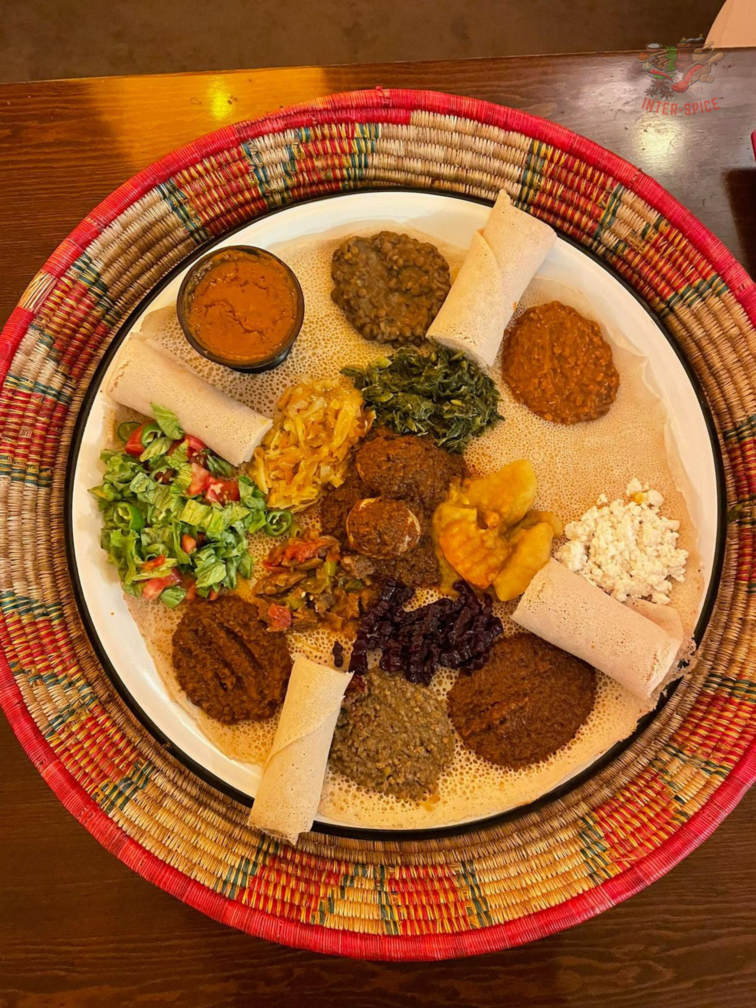
Fıkır, the Ethiopian lady who welcomed our team, moved to Istanbul from her homeland a few years back and learned Turkish to communicate her culture and cuisine to the locals and tourists. The main dish we had was a mix of different foods served on a big straw tray with flatbread as a moisture-absorbing ground, and the same kind of bread was tightly rolled and placed separating the different foods. This bread, called injera, is teff-flour based and mixed with just water to give the final gluten-free product that’s thin yet spongy. Due to lack of availability and high price of teff flour in Istanbul, Habesha restaurant imports it in large quantities from Ethiopia because injera is one of the main components in almost all dishes, placed under the food itself and next to it. With all variables in the country, injera is one of the staples.
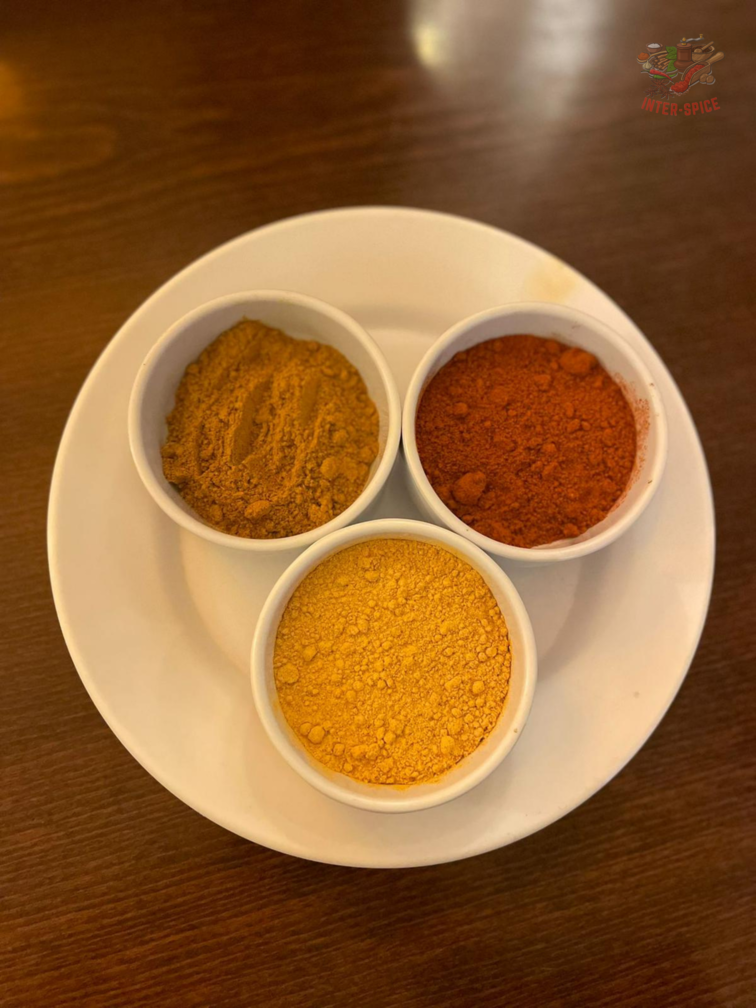
Besides teff flour making the main meal component, the restaurant also imports its spices from Ethiopia to secure the authentic taste. Mitmita, berbere, and shiro are the three major imported spices that are used in most dishes like doro wat and kitfo. Each of these powders is unique in its own way. For example, the most prominent one, berbere, is a mix of sixteen spices including garlic, coriander, chili, fenugreek and others… Mitma, on the other hand, is a hot spice mix with sweet and toasty aftertaste composed of basic spices like salt and cardamom but gets its bright red color from ground African bird’s eye chili peppers. And lastly, shiro, which is more of a meal base rather than a regular spice, is made of ground dried chickpeas mixed with some spices for flavor, and it’s later cooked into different stews.
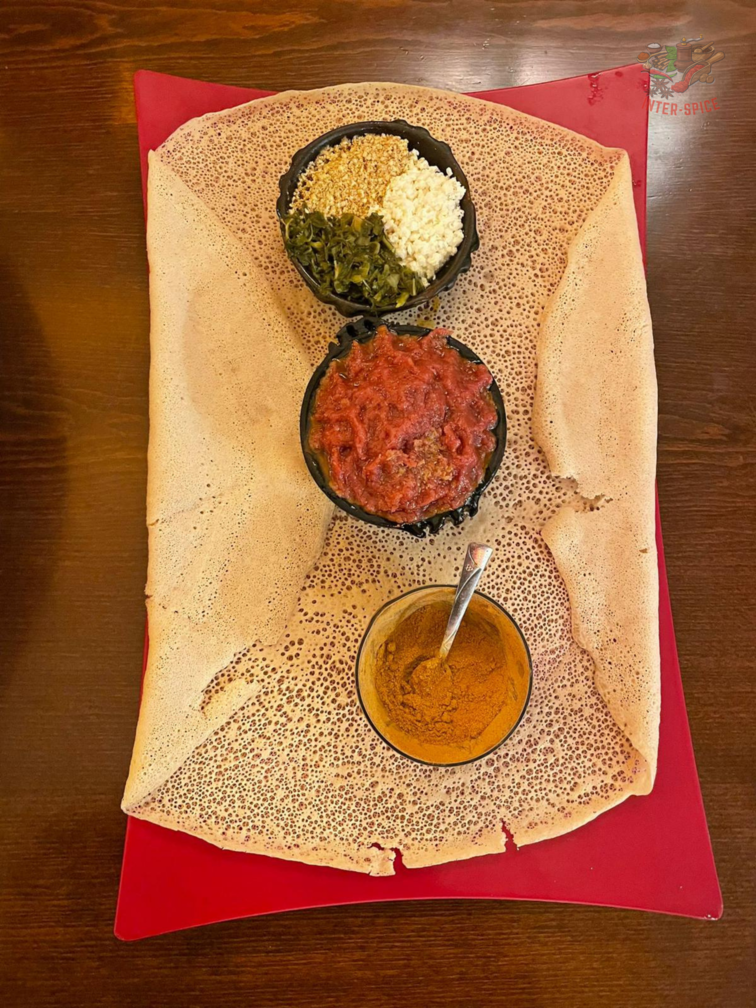
The term ‘Ethiopian cuisine’ is very broad, similar to ‘Indian cuisine’, and ironically both cuisines are considered to be pretty similar with their vegetarian dishes mostly prepared from lentils cooked into a mushy texture. The level of spice is another common feature between the two. However, Ethiopian food is also distinguished by its raw meat dishes. Kidfo is one of the traditional dishes that originated from the Gurage ethnic group, it’s made of minced raw beef that sits in marinated butter and mitmita. Similarly to a hamburger, kidfo is eaten with injera instead of a burger bun.
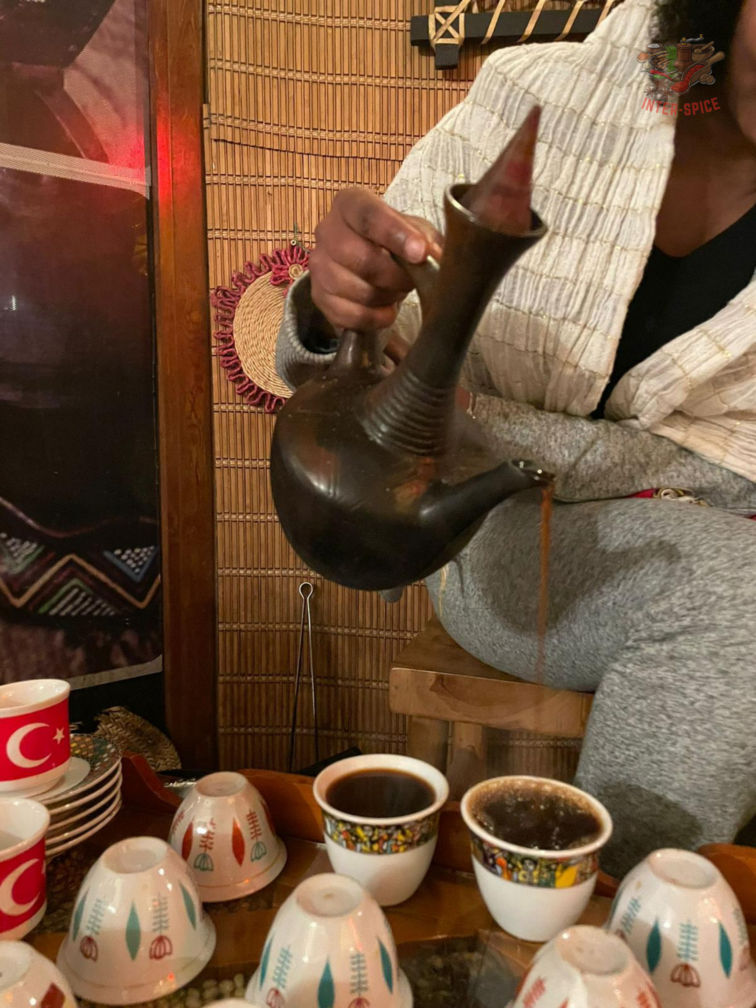
Ethiopia and Istanbul don’t have a lot in common but one thing they do have is the load of diversity, it still counts even if one is local and the other is international. In addition to that, the love for coffee also is stamped on both, Turks love their kahve and Ethiopia takes pride to be the motherland where coffee was first discovered. In both cultures, coffee holds a very sentimental meaning to the people, not just as a morning alarm but also as a society glue on which many traditions, including marriage proposals, are based.
Habesha Ethiopian: Hüseyinağa, Ekrem Tur Sk. No:5, 34435 Beyoğlu/İstanbul