
Today’s Turkish Republic and the sovereign state of Georgia hold a rich past and present of interconnectedness with one another dating back to the Ottoman Empire and USSR days. Although the Turkish-Georgian borders are geographically far from the city of Istanbul, with over 1200km between them, diverse phenomena of migration, trade, tourism, and educational exchanges have carried Georgian culture into the streets of Istanbul, especially through cuisine.
Our team has visited Tblisi, an authentic Georgian eatery in the heart of a homey neighborhood in Şişli, and met with the owner Mrs. Nino who also casually carries an intercultural element in her own name as named after Saint Nino who brought Christianity to Georgia from Cappadocia back in 300’s AD. Mrs. Nino welcomed us warmly and was eager to share her cultural identity in the cuisine with us.
Despite the fears and uncertainties before opening up Tblisi in Istanbul, the right thing to do was to take that step forward before all the support flowed in. Whether locals or foreigners, most guests enjoy the place and what it offers from the flavors to the vibes. But most importantly, when the owner moved here over 30 years ago, what kept her strong and going is the support from the local community around her.
With constant and professional exposure to both Turkish and Georgian cuisine culture, Nino introduced us to the slight yet noticeable differences between them. While in Turkish traditions the cold appetizers are served first and later followed by the hot appetizers and main dish, in Georgian traditions both hot and cold dishes are presented together when the table is set. Besides the practical aspect, Georgian cuisine is also rich in its abundant use of cilantro, cornmeal, and walnuts in a number of main dishes and appetizers like Khinkali (dumplings) and Chikmeruli (walnut and garlic chicken). And in comparison to the Black Sea region, Georgians prefer their food to be a little more grainy or of a rougher texture than their neighbors, as Nino assures the choice of keeping electric blenders away.

Georgian cuisine is known to bear dishes of different types: dough, vegetarian, lentils, spreads, meats… and for such a well-extended variety, there can’t be only one ingredient to hold everything together as that would take away from the dish’s own character. In this cuisine that carries a unique blend of flavors and spices, there’s a number of ingredients that bring the cuisine into shape. Besides the distinguished walnuts, cilantro, and cornmeal mentioned earlier, there’s also garlic, onions, cumin and most importantly saffron. Although they’re all easily available in Turkey, Nino gets them imported from her homeland to achieve the true flavor because she believes that the plant settings (like soil and air) contribute greatly to the final taste of the product.
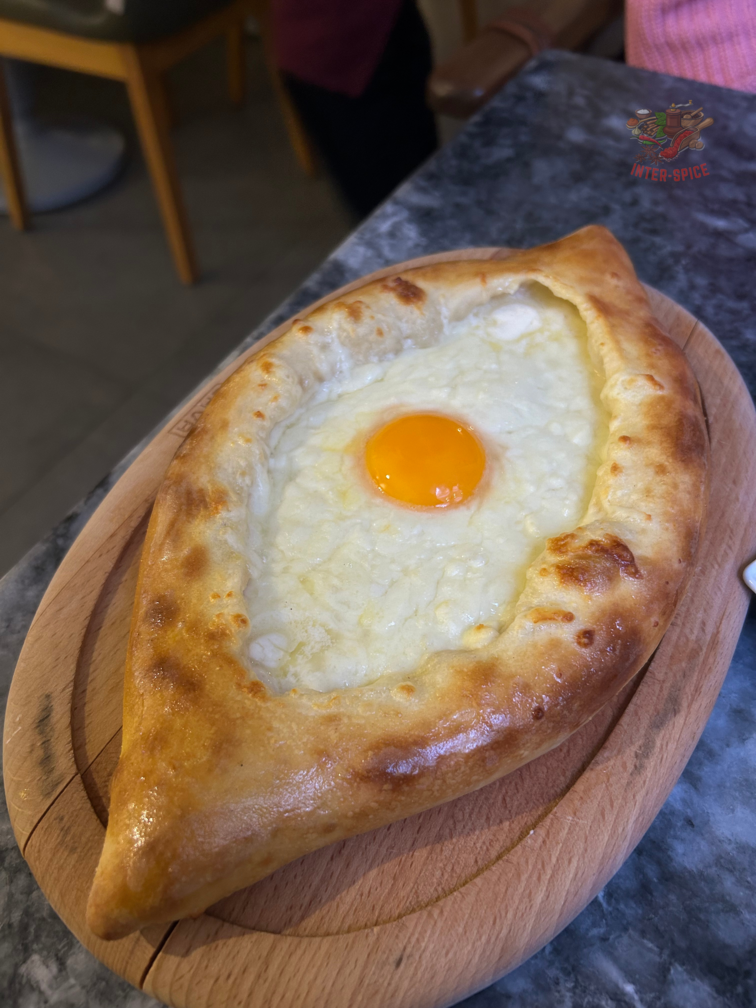
Spices and herbs are not the only shipments coming from Georgia. In order to maintain the authenticity and keep the culture through cuisine alive, Nino also imports most of the vegetables she uses, beans, pickled Jonjoli (a small flower not available in Turkey), cornmeal, and even cheese! Despite Turkey’s good variety of cheese, Georgian cheese also carefully stands out due to its texture and taste. Dumbalkacho, Tenili, Imeruli and more than 50 other types of exclusively Georgian cheese and the way they are made are all a great part of the culture.
And while most parts of the world and most restaurants globally serve Coca-Cola or similar brand fizzy drinks, at Tblisi you’ll find Zandukeli which is considered the national beverage of the country that is very rare abroad due to its early patent protection. Zandukeli, which dates back to the 1700s, is basically a lemonade but comes in five different flavors with pears, tarragon, and the glorious Georgian grapes being the most imported Zandukeli flavors into Turkey..

For Georgians “grapes are sacred,” as Mrs. Nino confirms. Grapes, red and white, are used to prepare Badagi which is condensed grape juice or grape molasses, used in many desert recipes like kaklucha (walnut candy balls), churchkhela (walnut candy sticks), and pelamushi (traditional grape pudding). Likewise, grapes are also the main ingredient of Chacha, Georgian vodka is distinguished by its intense flavors of fruits and spices due to its unique distillation process, and is sometimes served at dinner as part of the tradition. This national drink is also considered to have medical benefits like treating a flu or a sore throat which is why Mrs. Nino is often welcoming guests who come and specifically ask for Chacha.
Above all spices, drinks, dishes, and everything else comes the Tamada practice. Also following the sacred grapes route, Tamada’s main component is wine. The Tamada tradition takes place as follows: the leader of the community gathered sitting at the head of the table gets up and toasts firstly for peace, as it’s the most important, then to the homeland, family, martyrs, love and other poem and prayer recitals. The Tamada toaster is carefully selected under certain requirements like intellectuality, leadership, and speaking skills. However, despite the large amounts of wine consumed at Tamada practices, the crowd doesn’t get drunk due to the slow and patient drinking etiquette that indulge a lot of fruitful conversations as well as the high status that wine has earned in Georgian culture.
Mrs. Nino has made sure through all these years to keep the true spirit of the cuisine and its practices alive in her restaurant not only for her own little community but for her guests as well from the endless imported products to the traditional preparation techniques and plating. Her journey is an example of how different the taste and overall feelings could come out when the ingredients and processes carry the spirit of the one’s culture.
Tiflisi Restaurant: Bozkurt, Baruthane Cd. No:29/A, 34375 Şişli/İstanbul