
The Indonesian Republic, located in Southeast Asia, is known for so many exotic things: the rarest flower, dragon-like lizards weighing 10kg, active erupting volcanoes, nature of land consisting of over 17.5 thousand islands, and of course the most expensive coffee in the world known as Kopi Luwak. In addition to a very long list of Indonesia’s ‘well-knowns’, its magnificent landscape, like the islands of Bali and Komodo, often overshadows its prosperous cuisine. What makes this cuisine special is not just its dishes, but also the traditional habits and rituals that have been cherished despite the age of modernity.
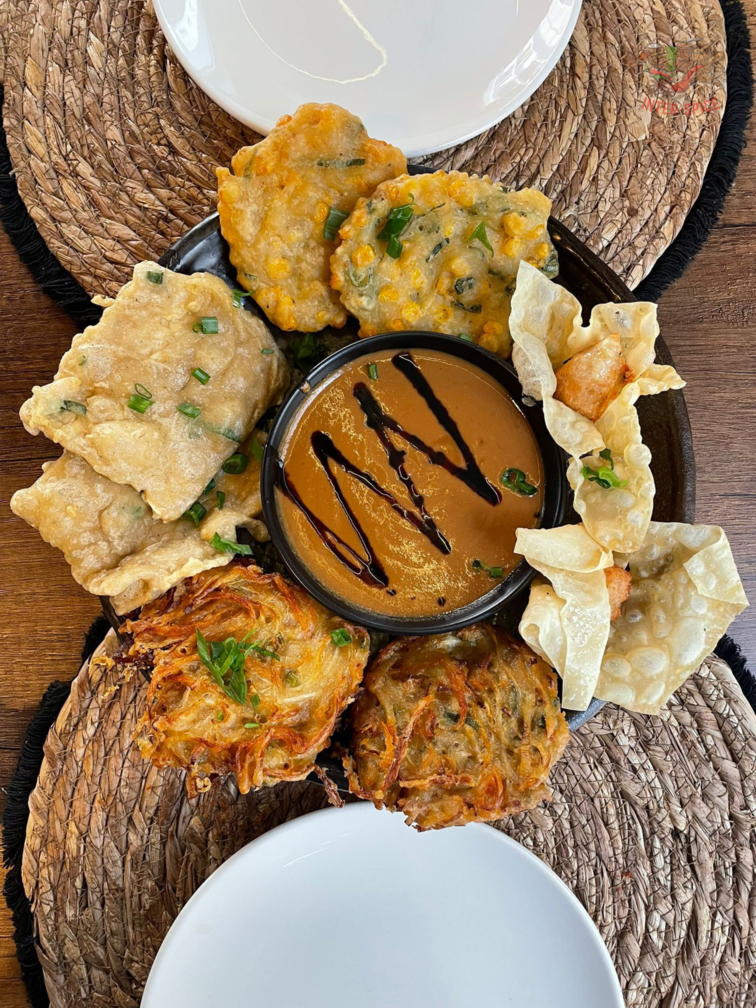
Koali, an Indonesian restaurant located in Tophane, has created a warm and cozy atmosphere that gives a true Indonesian vibe even for those new to it. With the traditional wooden antiques around, topeng masks hanging on the wall, an all-Indonesian staff, soft Indo background music, straw placemats and decorations, the place has hosted Indonesian expats in Istanbul through day-to-day catering and special events like football games or national celebrations to serve the feeling of back home.
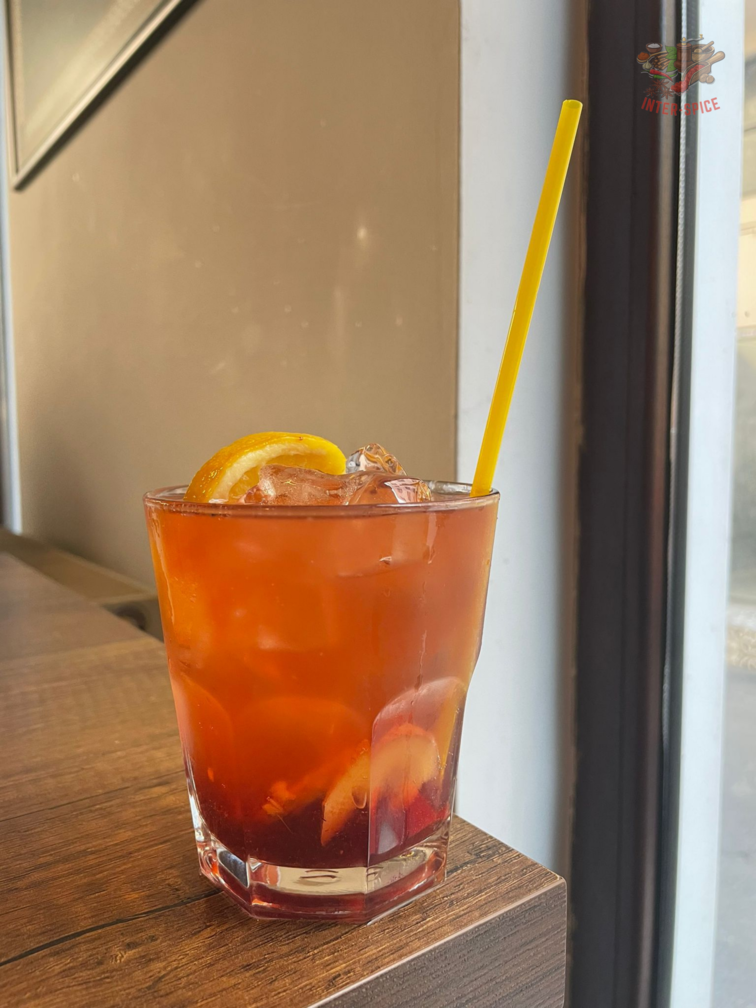
Antin, the waiter who assisted our team with the menu and getting to know the culture through cuisine, informed us that the main difference between Turkish and Indo dishes, taste-wise, is the level of spice as Indo food is much hotter. With over 3,000 kinds of chili pepper, it’s easy to confuse each kind with its own level of hotness. The one used in Indo cuisine is cabe rawit, more known as bird’s eye chili. This, among other main flavor-bursting additives like lemongrass and lime leaf, are imported from the Indonesian Republic all the way to Istanbul for Koali and fellow Indonesian eateries to maintain authentic recipes.
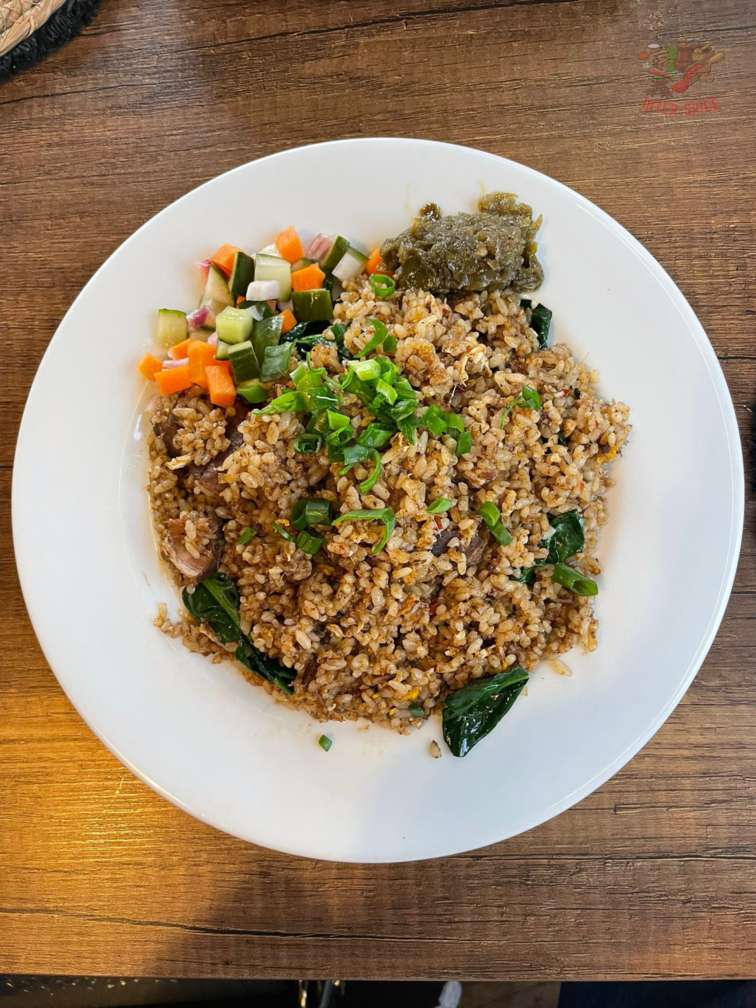
Another distinction between most cuisines, especially between Turkish and Indonesian, is the rice being the standard alternative for bread. The Indonesian staff has described to our team how rice is considered to be the one thing that can’t be missing because no matter what way it’s made, it’s the carb element of the everyday meal that provides one’s body with energy and feeling of fullness, without any reliance on bread. Fried rice, in the form of nasi goreng the most consumed, has a unique taste acquired by sweet soy sauce and shrimp paste, due to the Republic being a water land.

This place has kept so many traditions alive from back home especially through eating habits. The customers are served their food with only a spoon and fork, with no knife. When asked about the reason, Antin explained that knives are not used because they’re not needed as food is cooked in a way made to be eaten by hand, like most Indonesian families do when they dine at home, while being seated all together on the floor. There are three major practices that have been maintained: lesehan (floor seated), kobokan (bowl of water and lime for hygiene), and lastly muluk (eating with hands). Despite the cultural differences, the staff confirms that they and most of their Indo customers still practice muluk because it feels more natural and gives a better taste.
Koali Indonesian Restaurant: Hacımimi, Galata Beyazıt Sk. no:5/A, 34425 Beyoğlu/İstanbul