
Back in 1990, Tandoori Indian Restaurant was the first of its nationality to open up in Turkey, bringing a new and unique burst of flavor into the country. The owner Mr. Imra, who goes by Murat in Turkey, explains that despite the variety in the Indian cuisine, for new triers it’s mostly a black or white kind of situation in the sense that they either ask themselves why they haven’t tried it before or they never come again.
Saying Indian cuisine is too broad and a little oversimplified for a country with 28 states divided among 8 union territories with a unique cuisine to each region. However, most Indian restaurants abroad take the most well-known dishes of each to set up their menus like dahl makhani, pani puri, samosa, dosa, idli… But despite that big variety, they all meet on the common grounds of the spices used in most dishes and formulate the Indian cuisine as a whole. As most ingredients are limited to the region, what defines the flavors of savory and sweet dishes are the spices like turmeric (adds that special yellow color), coriander, cardamom, bay leaves, black pepper, and Kashmiri chili.
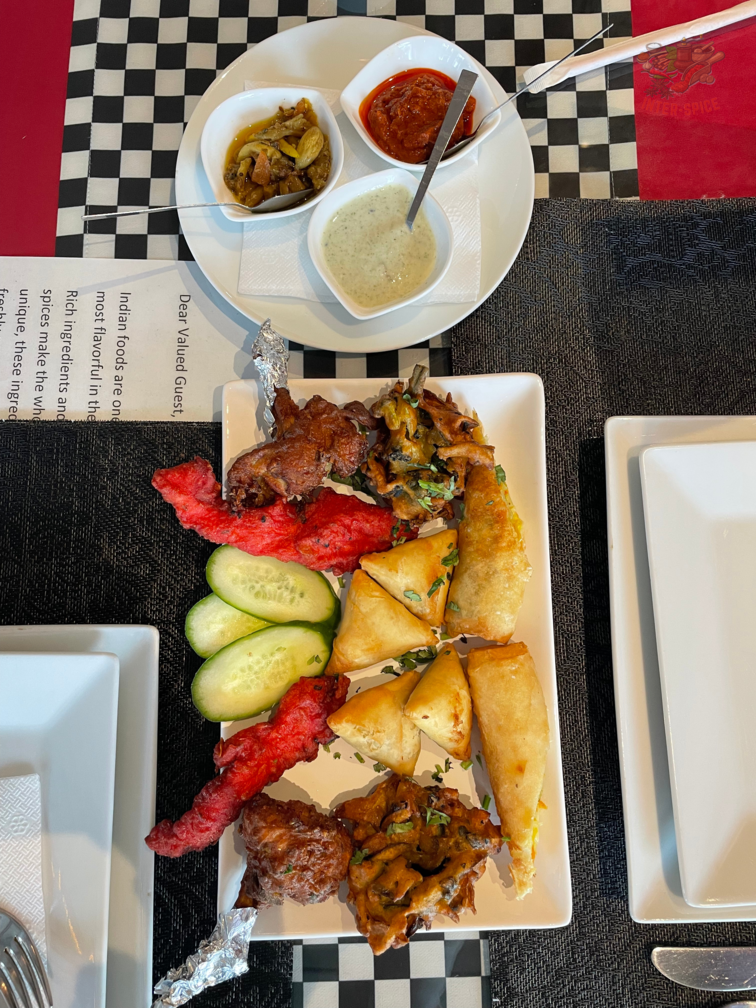
Mr. Imra goes through the struggle of sourcing most of his ingredients from India due to lack of availability as some are not easily found in the Turkish market or not in the same quality. While the Spice Bazaar in the city could be a good place to buy most of the spices used in Indian cuisine, it’s designed for tourists not business owners in terms of inauthenticity of taste and pricing. This leaves business owners in the route of importing most of their spices.
Mr. Imra also faced logistical challenges in the restaurant since opening it. Despite old age, he is forced to cook the dishes himself due to the absence of qualified staff who are familiar with Indian cuisine. And with all the issues of having to source his spices from abroad due to limited demand and investment, Mr. Imra opens up about the prejudice against spices that he’s been witnessing in the last 34 years. Most customers are familiar with the flavors in the Indian cuisine and there are rarely newcomers due to some misconceptions about the spices used.
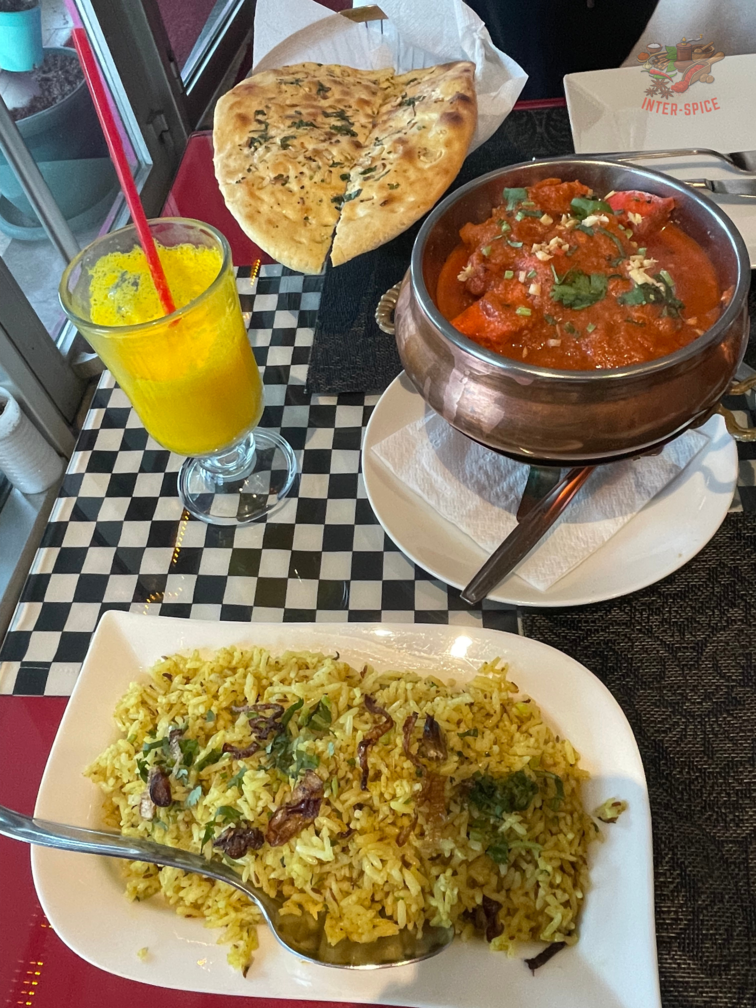
While Indian and Turkish cuisines could use the same ingredients and spices like black pepper or chili flakes, the preparation methods and the use of spices lies the difference between the two. Regarding the use of spices it’s not just the quantity, but also preparation methods like roasting or crushing plays a major role in taste change. For instance, while fresh ginger is used in some Turkish dishes, it wasn’t very popular or easy to find back in the 90’s. On Istiklal Avenue, it used to sell for 60 liras per kilo back then, says Imra.
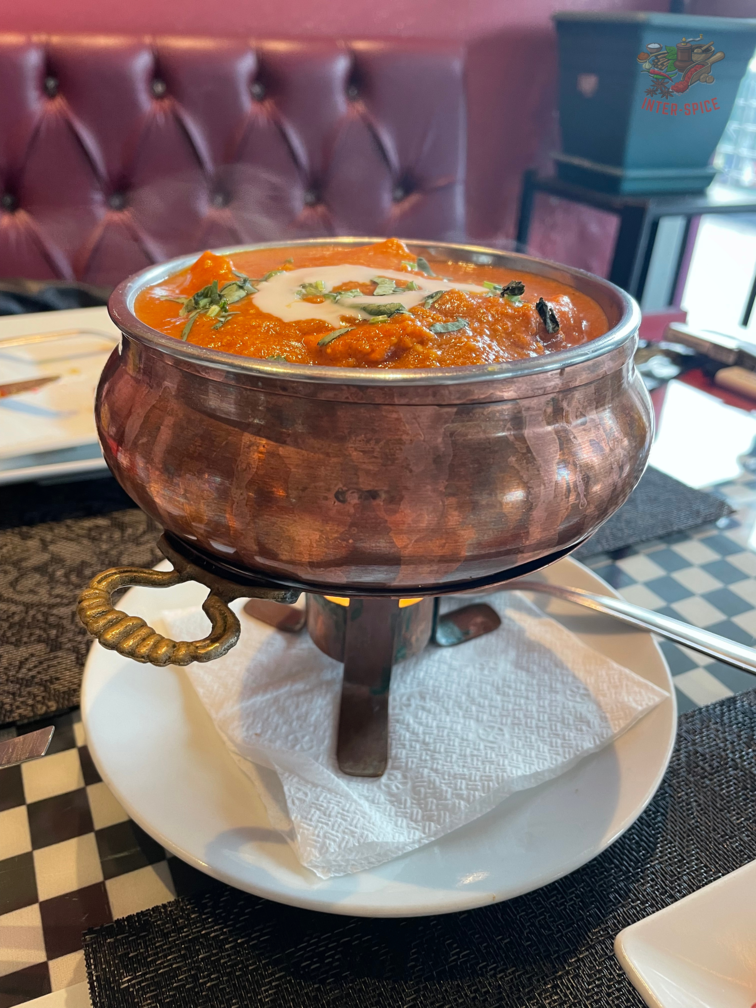
Some people often can’t tell cuisines apart when from the same region like Nepalese or Sri Lankan cuisine from Indian cuisine, or each other for that matter. Usually regional similarities are present due to common ingredients and spices leading to similar dishes, and what sets one apart from another lies in the preparation and quantities. For example, Mr. Imra clarifies how Pakistani samosas are drier in texture than Indian samosas, and how the same dish with the same spices could be more watery if prepared in the Bangladeshi way.
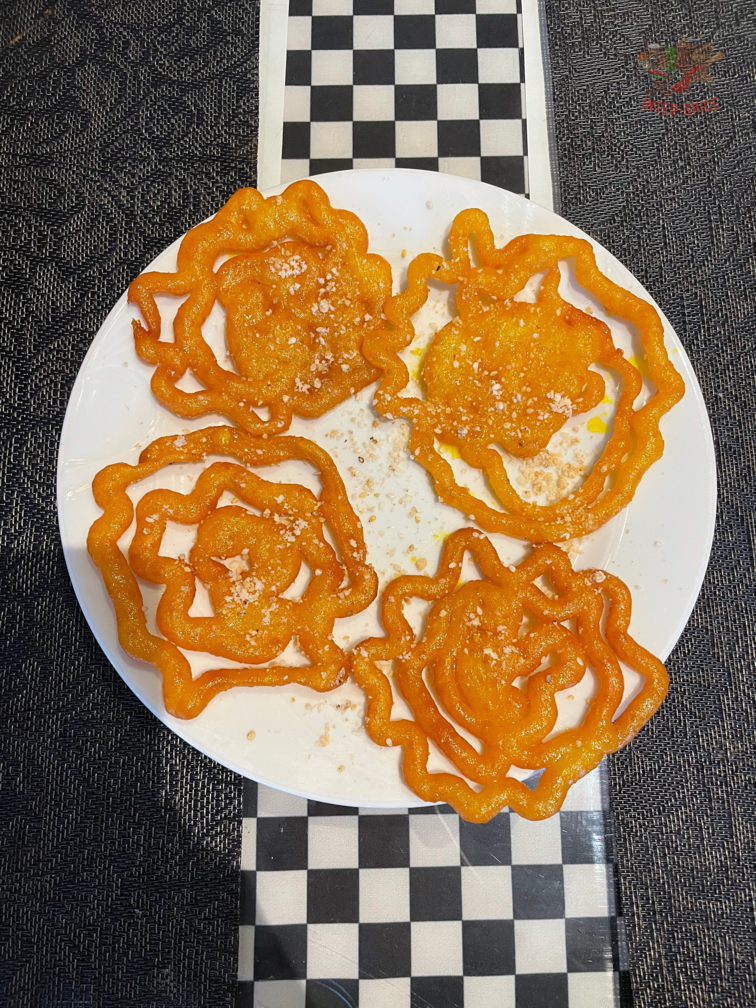
From saffron to basmati to garam masala to endless chutney options, the Indian cuisine stands out in all its forms in textures in its authentic and touristic positions. While Indian restaurants abroad (not in India) serve original flavors and dishes, they can’t possibly serve all Indian dishes due to its abundance. There are many doors to explore in the Indian cuisine in the country itself and abroad to explore how different could it be from one place to another and to notice how it could cater to Indian subcontinental expats, for example how Indian cuisine in Turkey is different from Indian cuisine in the United Kingdom where there’s a higher percentage of target customers.
Tandoori Indian Restaurant: Ataşehir Atatürk, Ata 2/4 kat: 2 No:37, Ataşehir Blv., 34758 Ataşehir/İstanbul