
From the river to the sea, Palestinian soil cherishes the land’s culture through prosperous produce as a form of resistance against unjust bloodshed and appreciation to its people. Because of the brutal occupation and all forms of oppression, Palestinians have tightened their grip on their culture, traditions, rituals, and anything related to their roots that’s actively been under serious threat. And for those living abroad, whether first or even third generation immigrants, the grip is even tighter because they were either forced out of their own homes and nation or they’re forbidden from visiting. Cuisine is one of the most significant elements of the culture of which its people are trying extra hard to preserve by forwarding the recipes and habits from one generation to the next.
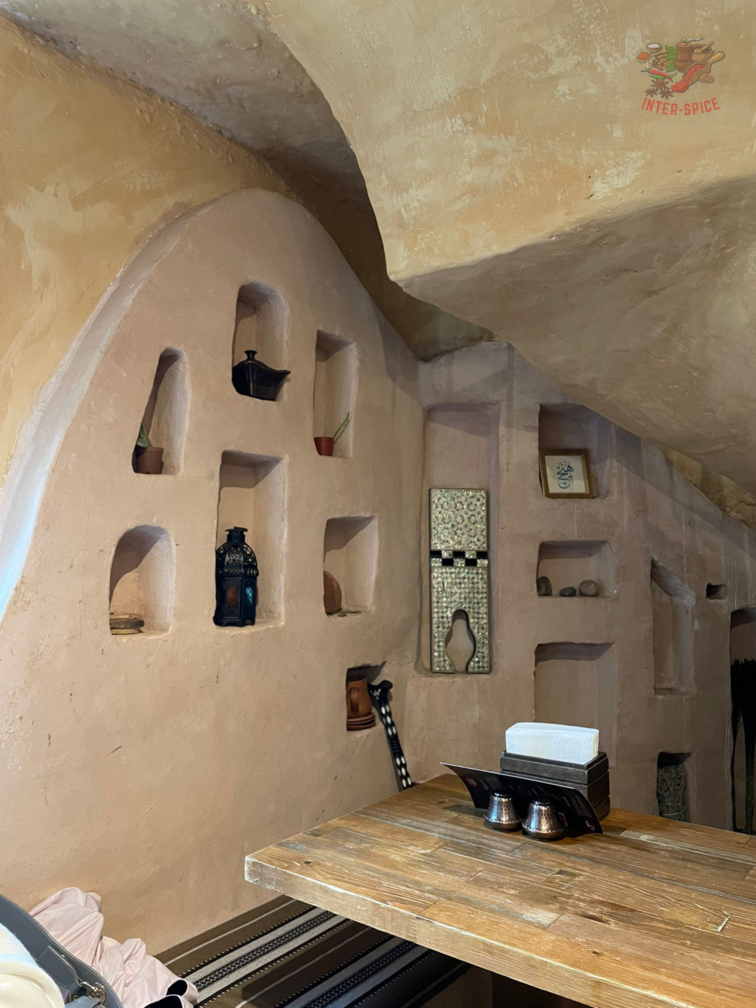
Atara is one of those places that have carried the cuisine through surviving generations and acts not only as a restaurant in Besiktas, but also as a bridging point between Palestinians in Istanbul and their abused roots. Hand-crafted clay walls are decorated with the Palestinian flags and other ethnic pottery and mosaic goods in subtle yet volume-speaking ways. Haya, the hostess, was delighted to introduce her culture to the team, in hopes of keeping the heritage conscious, even if abroad.
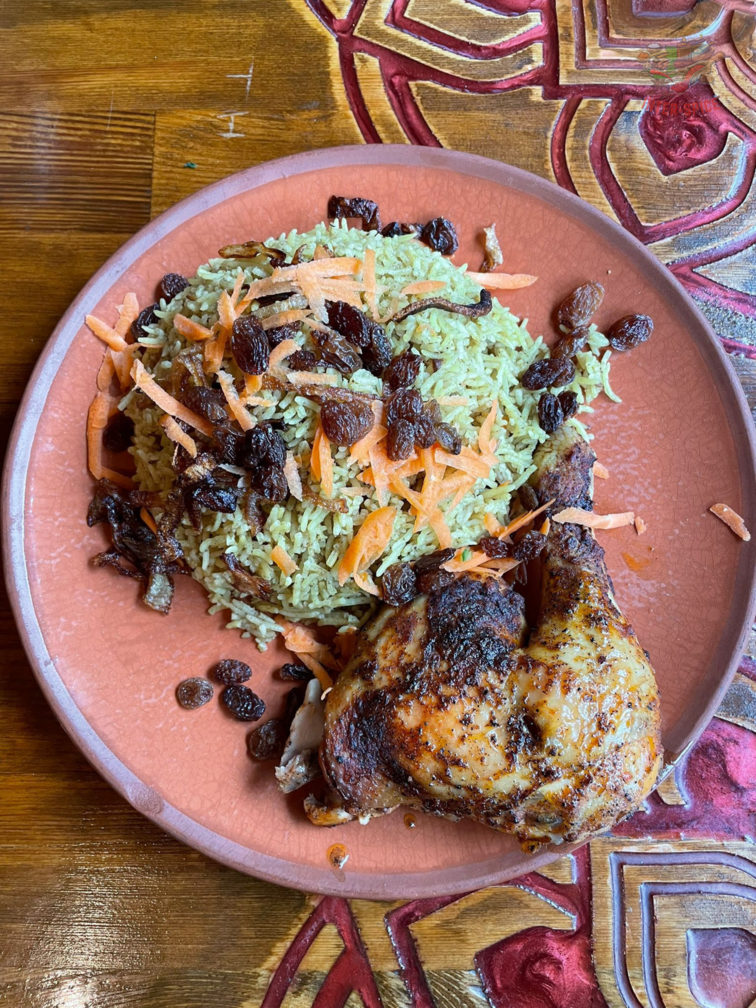
Haya explains that spices play an essential role in savory dishes, desserts, and even drinks like coffee and tea. Cinnamon, cardamom, and sumac are on top of the spice pyramid that represent this cuisine. For instance, musakhan is a Palestinian traditional dish prepared only with chicken, onions, and a proper load of sumac. Musakhan, like many other traditional dishes, is prepared with a small number of ingredients but bursts with sweet and sour flavors from the onion and sumac. Maklouba, translates to ‘the flipped’, another dish loved by many, gets its name from its serving style: a variety of veggies are cooked with rice and chicken all in one pot, and when ready to be served, the entire pot is flipped upside down on a flat plate where the entire thing comes out all steady in one shape.
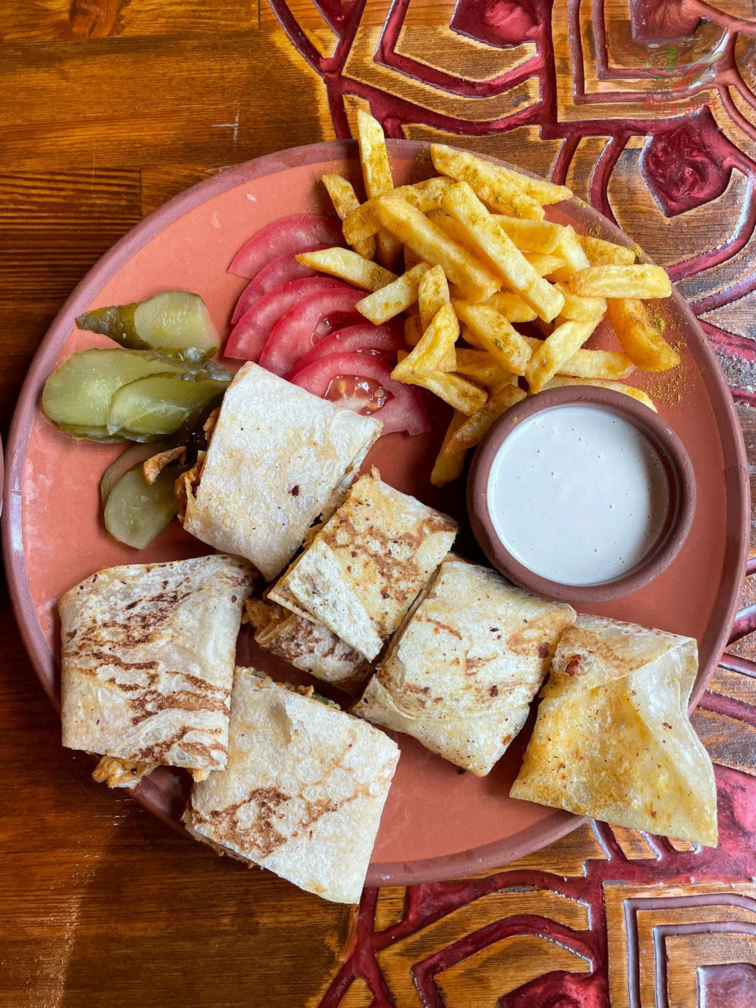
However, aside from the heat of cooking, zaatar w zeit could more or less come on top of the entire cuisine. With all its simplicity, it managed to carry the entire history and present though one herb. Although zaatar w zeit is common across the Levantine region, it’s particularly relevant for Palestinians. Zaatar is an herb, it’s dried and mixed with sesame and sometimes sumac then roasted a little bit. Zeit means oil, usually referring to olive oil, and that’s what makes it special. The Palestinian land is known for its excellent produce of olives, and with that comes excellent olive oil, both are exported globally. Sentimentally, olive trees represent peace to Palestinians. Back in 1948 when the first Nakba happened, the violent displacement of Palestinian families out of their lands, most of whom were farmers who had olive groves and grew olives in their own home yards, the barbarous soldiers burned down most olive groves. Today, the people of the land still grow olive, even those abroad, as means of peace and honor to their grandparents. But that has nothing to do with the great quality of olive oil produced that’s also used in any kind of cooking, without any reliance on sunflower, corn, or any other vegetable oil.
Haya explains that because of the occupation, their and other Palestinian restaurants mostly import their goods from Jordan and sometimes other neighboring countries in the Levantine. For instance, ghee could never be found in Turkey and it’s heavily used in their cuisine. While ghee is simply just clarified butter and could be prepared using just a stove and a pan, it takes some time that the staff could use for better outcomes, here’s when importing becomes a smarter decision.
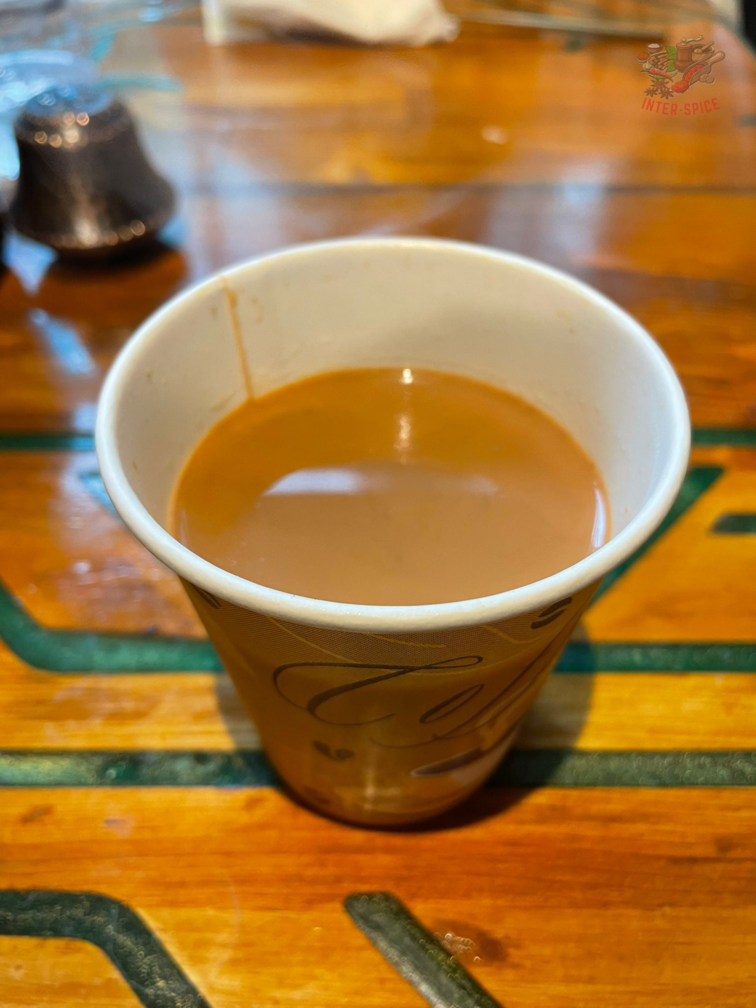
Despite the small geographic area, ethnic cleansing, political schemes and all human rights abuse that goes on in Palestine, it has a quite nice cuisine that has survived and continues to, especially by second and third generation immigrants opening up restaurants to raise awareness and meet people of their own. It relies heavily on certain spices like cardamom used in daily tea, karak chai, and even heavier on olive oil for any possible use of fat. While some dishes are there to tell a story of survival like zaatar w zeit, others are there just to be enjoyed like spicy barbecued kabab (beef) skewers with biwaz salad prepared only with onions, parsley, and of course sumac.
Atara Palestine Restaurant: Cihannüma, Serencebey Yokusu No:1 D:A, 34353 Beşiktaş/İstanbul