
The Uyghur minority group in Istanbul have taken the sentimental value of cuisine to a different level making it a symbol of liberty and freedom of religious expression. Due to political conflicts, the Uyghurs are unable to practice their religion in Xinjiang, which translates to “autonomous region”, a territory in northwest China assigned for them by the state. Because of their Islamic belief system, they face discomfort and oppression in China, forbidden from practicing and expressing in public through prayer or clothes… that’s where their cuisine came in a resilience form: fighting oppression through their only means of free expression. Through their cooking “halal” foods, like staying away from alcoholic beverages and pork, the Uyghurs were able to customize their cuisine to fit their religion and make it stand out from Chinese cuisine.
Most Uyghur individuals in Istanbul refuse to give out their identity to maintain their safety and their family’s back home. Our interviewee, who prefers to keep his identity a secret, from the Sahra Uyghur Lokantası located in Fatih walked us through a brief yet prosperous journey in the Uyghur cuisine which contrasts the Turkish and neighboring region cuisines in many ways and meal traditions, and surprisingly in spice usage. While according to our interviewee’s expertise the Uyghur cuisine is similar to Malaysian, Indonesian, and Uzbek cuisines in some dishes, it still stands out.
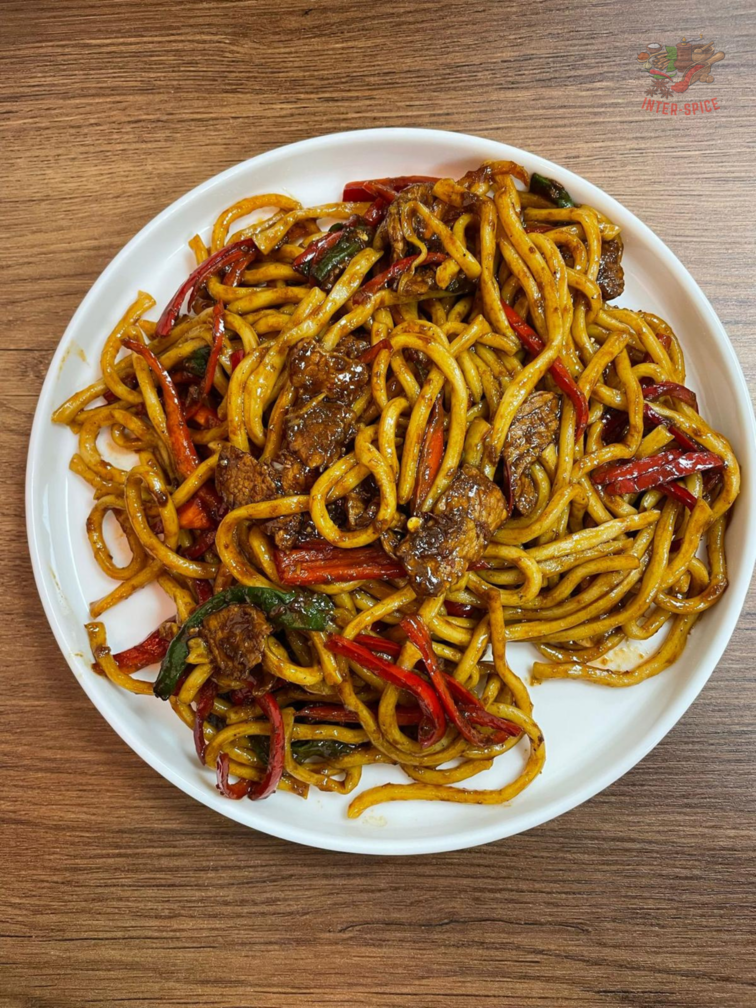
What seems most predominant in the Uyghur cuisine is their tea and habits revolving around it. Unlike in neighboring regions, Uyghurs drink their tea before their meals and sometimes during as the cultural belief states that drinking tea alongside the meal aids with the digestion process into a smoother and healthier one. “We brew new tea as we finish the previous one,” explains our interviewee, assuring the strong consistency. However, Uyghurs usually prefer their tea with no sugar to preserve the original taste of it as the tea usually drunk with meals is infused with naturally dried roses. But another kind of tea also stands strong in this cuisine that is a little more dense than the first by the additions of milk and salt! And despite the political solidarity in the Xinjiang region, each city differs from another by their intensity of their tea and their pouring habits where some pour a full cup and others stick to only a half.
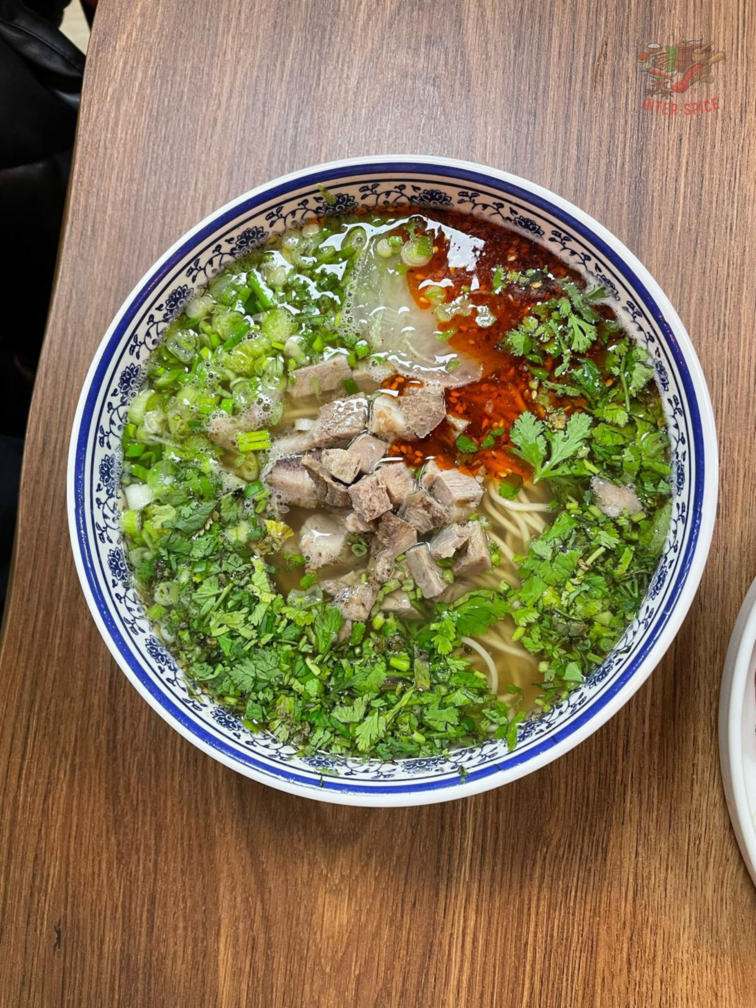
In contrast to other traditional cuisines, Uyghurs don’t go heavy on spices, and sometimes not at all. Our interviewee has even assured us that it’s only because of Chinese influence on their culture that they started using some spices like ginger and black pepper, but for those who are not big fans of newly acquired tastes, salt is the only flavoring agent they use at home. However, in restaurants things get a little more sophisticated by using Sichuan pepper, also called Chinese pepper, in a variety of dishes.
Sichuan pepper, among other key ingredients, creates some challenges for people in the field due to their absence from Turkish markets, forcing Uyghur cooks to import them from China. And even if by chance some of the ingredients are found here, they’re usually too expensive. As there are different types of the same vegetable and fruit, our interviewee explains to us how difficult it is having to import standard ingredients that are somehow exclusively Chinese like Chinese lettuce or Chinese beets, even sweet potatoes that have only entered Turkish markets some years ago. And in one of the dishes we tried, a black ingredient stood out, our interviewee explained to us that it’s another imported component that’s very essential in the cuisine as a whole but absent from the market here. This black fungus, Auricularia polytricha in its scientific name, holds a special place in both Chinese and Uyghur cuisines as it’s believed to cleanse the kidneys from toxicities, and also used in Chinese traditional medicine.
Aside from the basic dishes like rice and dumplings that are present in more or less most cuisines, Turkish and Uyghur cuisines aren’t very similar whether in terms of spice use, ingredients, cooking techniques, or even eating habits. For instance, vegetables in Turkish dishes are considered to be overcooked in comparison to Uyghuri where it’s preferred to be a little less cooked to keep the vitamins and minerals. Aside from food preparations, the course order is slightly different not just in tea but dessert as well, where it’s usually served with the tea before the main meal, and fruits are served after the meal.
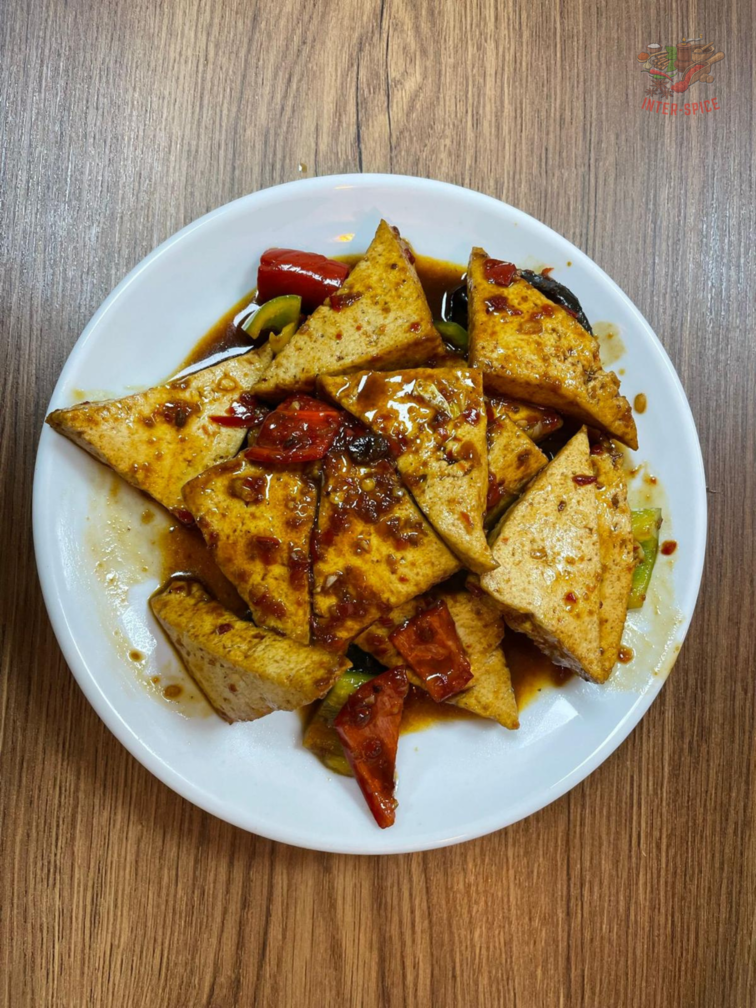
Although Uyghurs may be facing oppression in their homeland and having different human rights violated, they cherish their cuisine as a symbol of freedom of expression and freedom of religious practice by deliberately keeping out certain ingredients to keep their menus in line with their religious limitations. And the Uyghur cuisine is one of those who stand proof that good taste can still be acquired in food without the use of spice, rather with a variety of alternative ingredients and techniques.
Sahra Uygur Lokantası: Aksaray, Recep Yazıcıoğlu Sk., 34096 Fatih/İstanbul